

Rooted in wisdom.
Validated by research.
Our work is grounded in decades of empirically supported practice and enriched by the lived experience of patients, clinicians, spiritual leaders, and caregivers.
Four Foundations
–1–
DBT Skills
Drawn from multiple empirically supported behavioral traditions–2–
Zen & Contemplation
Mindfulness practice rooted in centuries of Zen tradition–3–
Neuroscience
Contemporary research confirms that skill-building builds resilience–4–
Psychoanalytic Insight
Deepened by psychoanalytic understanding of human experienceResearch and Outcomes
From Published DBT Studies
Cancer
Reductions in depression in breast cancer patients following skills-based training
HIV
Decreased death anxiety in people living with HIV
Leukemia
Strengthened resilience and psychological flexibility in adolescents facing leukemia
From Our Research
Participants report
Greater hope • Improved emotion regulation • Communication confidence
• • •
Our findings
Greater psychological flexibility • Deeper meaning-centered coping • Stronger self-advocacy
• • •
"Participants found the training understandable and helpful — reporting greater hope and confidence in their ability to communicate what matters most."
Poster Presentations
Reitz, R. O., Stuntz, E. C., Hodges, D., Norslien, K., Rieger, H., Shin, E., Scott, K., Thornton, B., Weissberg, S., Sanchez, C., Comtois, K. A., & Acquati, C. (2026, March 18–20). Evaluating the feasibility, acceptability, and relevance of DBT skills training in survivorship [Poster presentation]. American Psychosocial Oncology Society Annual Conference, New Orleans, LA, USA.
Stuntz, E. C., Reitz, R. O., Hodges, D., Norslien, K., Rieger, H., Shin, E., Scott, K., Thornton, B., Weissberg, S., Sanchez, C., Comtois, K. A., & Acquati, C. (2026, March 18–20). Enhancing coping and psychological flexibility in cancer survivorship: Findings from a pilot DBT skills intervention [Poster presentation]. American Psychosocial Oncology Society Annual Conference, New Orleans, LA, USA.
Research Team
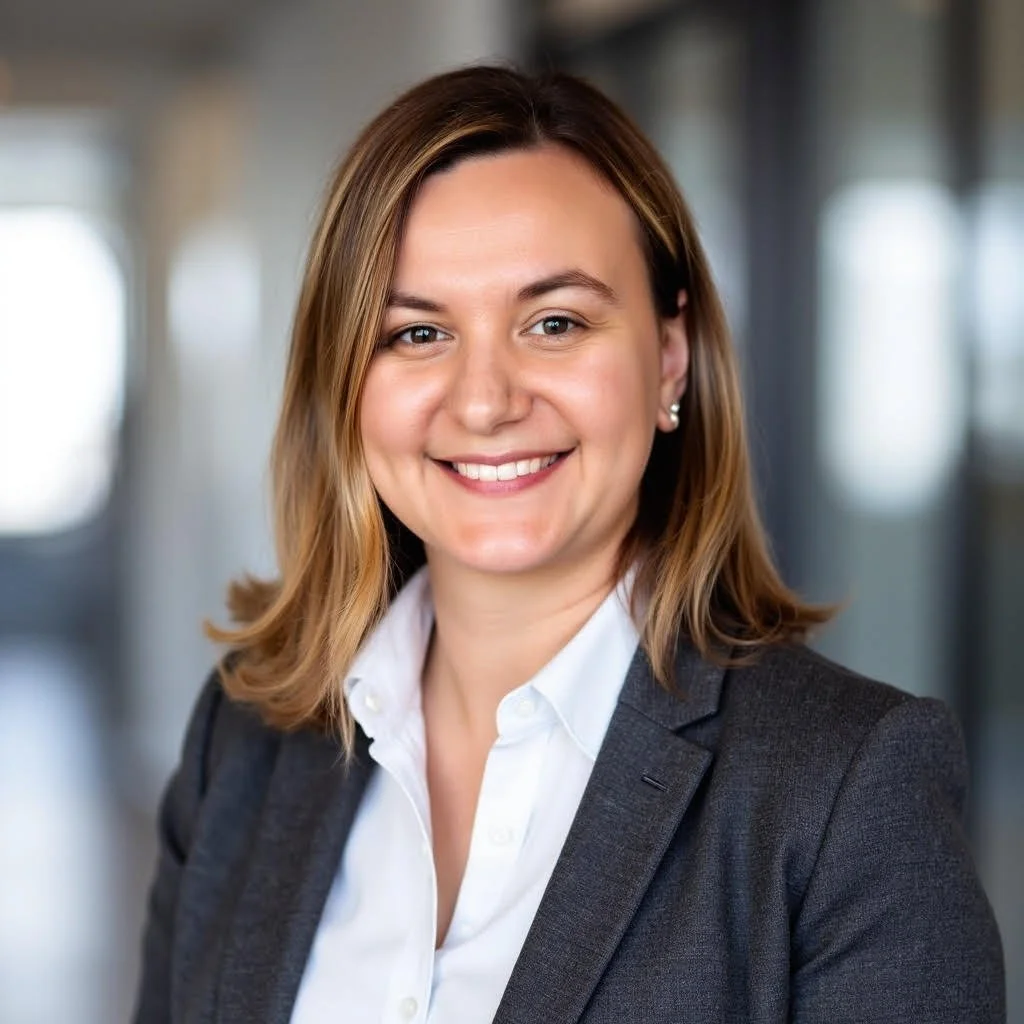
Chiara Acquati, PhD, LGSW, FAOSW is the inaugural Beatrice “Bean” E. Robinson Endowed Chair in Clinical Sexual Health within the Eli Coleman Institute for Sexual and Gender Health (ISGH) at the University of Minnesota Medical School, and an Associate Professor in the Department of Family Medicine and Community Health. She also holds faculty appointments at the Graduate College of Social Work at the University of Houston and at The UT MD Anderson Cancer Center. Her program of research examines interpersonal processes that contribute to mental health, coping, and wellbeing-related outcomes of patients and partners with an emphasis on generating translational results that inform dyadic interventions. Her research has demonstrated that survivors and partners’ adjustment to cancer is interdependent and has further clarified the influence of coordinated coping behaviors on quality of life and well-being. This line of work has elucidated the role of within-dyad communication exchanges as precursors of individual and relational outcomes, including sexual and reproductive health. As an expert in dyadic conceptualization and measurement, her work has often expanded to the appraisal of theories and models of stress and dyadic coping in the context of illness and health-related stressors. Funded by American Cancer Society, Patient-Centered Outcomes Research Institute (PCORI), National Cancer Institute, SMSNA, Texas Higher Education Coordinating Board, and European Social Fund, she has evaluated institutional capacity for distress screening, developed illness management interventions, and designed trainings that expand providers’ capacity for supportive care. Dr. Acquati regularly contributes her research and scholarly expertise to non-profit organizations such as the Association of Oncology Social Work, Sexual Medicine Society of North America (Oncosexology and Mental Health Committee), Scientific Network on Female Sexual Health and Cancer (Board of Directors), and the Association of Community Care Centers for advisory committees and other educational and research capacity-building initiatives. She is the past Research Director for the Association of Oncology Social Work (2021-2023), co-chair of the Caregivers, Partners & Co-Survivors SIG, and a Fellow of the organization.

Kate Comtois, PhD, MPH, a Professor in the Department of Psychiatry and Behavioral Sciences and Adjunct Professor in the Department of Psychology at the University of Washington received her Ph.D. in clinical/community psychology from the University of Maryland in 1992 and her MPH in Health Services at the University of Washington in 2009 Her research career is dedicated to promoting the recovery of individuals experiencing suicidal thoughts and behavior as well as the effectiveness and resilience of the clinical staff and families who care for them. Dr. Comtois has over 25 years of experience in Dialectical Behavior Therapy training and implementation in large health systems. She directed the Harborview DBT program, one of the longest standing DBT programs in the country from 1996-2019 and now leads the DBT program at the UW Medicine Outpatient Psychiatry Clinic. She’s trained across the United States as well as in Canada, England, Norway, and Australia. Having directed a DBT program in public mental health for over 20 years, Dr. Comtois is particularly knowledgeable about the systemic issues of DBT implementation and the structural changes needed for sustainable implementation.